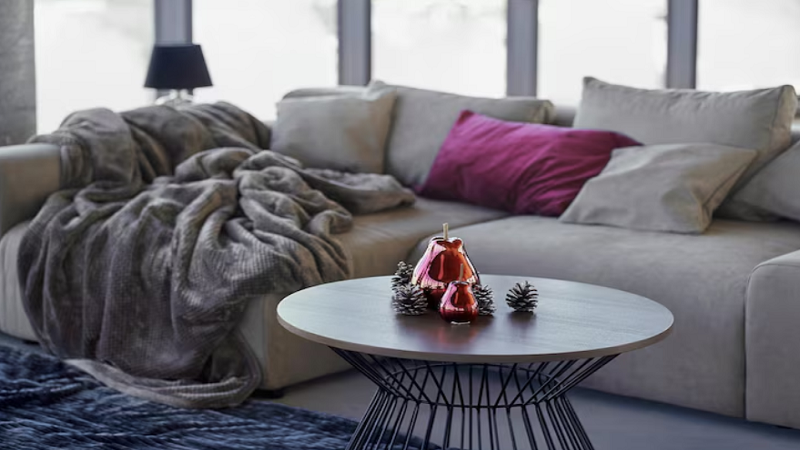
A home is more than a collection of rooms and furniture. It is a place where people relax, spend time with family, entertain guests, work, and create memories. For this reason, good home décor should combine beauty with comfort and practicality. A stylish room does not necessarily require expensive furniture or a complete renovation. Small, thoughtful changes can make a noticeable difference in how a space looks and feels.
In 2026, interior design is increasingly moving toward warmer, more personal, and lived-in spaces rather than perfectly matched rooms. Natural materials, richer colors, layered textures, vintage touches, and meaningful decorative pieces are being used to give homes more character.
Whether you are decorating a new house or refreshing an existing room, the following ideas can help create an attractive and comfortable environment.
1. Start With a Clear Decorating Plan
Before buying anything, consider what you want to change. Look at the room carefully and identify its strengths and weaknesses. Think about the amount of natural light, the available floor space, the furniture you already own, and the activities that normally take place there.
A simple plan can prevent unnecessary purchases. Decide on a general style, a basic color direction, and the main purpose of the room. For example, a living room should provide comfortable seating and enough open space for movement, while a bedroom should encourage relaxation.
Planning also helps create visual balance. Instead of filling every empty corner, choose items that have a useful purpose or add meaningful character.
2. Choose Warm and Comfortable Colors
Color has a major influence on the atmosphere of a room. While bright white and very neutral interiors have been popular for years, current décor trends are showing greater interest in warmer and more expressive colors.
Earthy shades such as olive green, clay, warm beige, muted blue, brown, and soft cream can create a relaxed atmosphere. Richer shades can also be introduced through furniture, curtains, cushions, artwork, or smaller decorative objects.
You do not need to repaint the entire house to experiment with color. Start with one wall or introduce color through accessories. This approach makes it easier to change the appearance of a room later.
3. Bring Natural Materials Indoors
Natural materials can make interiors feel warmer and more connected to the outdoors. Wood, stone, linen, cotton, rattan, wicker, and handmade ceramics can all add texture and visual interest.
A wooden coffee table can soften a modern living room, while woven baskets can provide useful storage without looking purely functional. Linen curtains and cotton cushions can add softness to bedrooms and sitting areas.
The goal is not to use only natural materials. Combining them with modern furniture and contemporary finishes can create a balanced appearance.
4. Use Layered Lighting
Lighting is one of the easiest ways to transform a room. Instead of relying entirely on a single bright ceiling light, consider using several sources of illumination.
Table lamps, floor lamps, wall lights, pendant fixtures, and small accent lights can work together to create different levels of brightness. Warm lighting can make living rooms and bedrooms feel especially comfortable in the evening.
Layered lighting also allows a room to serve different purposes. A brighter light can be useful while reading or working, while softer lighting can create a relaxing atmosphere at night. Current décor discussions continue to emphasize ambient and layered lighting as part of creating warmer interiors.
5. Make Walls Part of the Design
Walls should not always be treated as empty backgrounds. Artwork, mirrors, photographs, shelves, textured finishes, and decorative objects can give a room more personality.
A large artwork can become a focal point above a sofa or bed. Alternatively, several smaller frames can create a gallery-style display. Mirrors can also be useful because they reflect light and can make smaller spaces feel more open.
When decorating a wall, avoid placing too many unrelated objects together. Select pieces that share a color, material, theme, or visual relationship.
6. Mix Old and New Pieces
A room can become more interesting when modern furniture is combined with vintage or traditional elements. A contemporary sofa, for example, can work well with an older wooden table or a vintage-inspired lamp.
This approach creates a collected appearance instead of making the room look as though everything was purchased at the same time.
Modern interior trends increasingly favor individuality and spaces that reflect personal history rather than perfectly coordinated rooms.
7. Add Texture for More Visual Depth
A room containing only smooth surfaces can sometimes feel flat. Texture helps solve this problem.
Try combining different materials such as a soft rug, woven basket, wooden furniture, textured cushions, linen curtains, and ceramic accessories. Even when the colors are similar, differences in texture can create visual depth.
For example, a neutral bedroom can become more interesting with a knitted throw, linen bedding, a wooden bedside table, and a textured wall decoration.
The important thing is balance. Too many competing textures can make a room feel busy, so choose a few complementary materials.
8. Choose Furniture Based on the Room
Furniture should fit both the size and purpose of the room. Large furniture can overwhelm a small space, while very small pieces can make a large room feel unfinished.
Before purchasing furniture, measure the available area. Leave enough room for doors to open, people to walk comfortably, and drawers or cabinets to function properly.
Comfort should also be considered. A beautiful chair that is uncomfortable to sit in will rarely become a favorite piece. Good décor combines appearance with everyday usability.
9. Create a Comfortable Living Room
The living room is often one of the most frequently used areas in a home. Start by creating a practical seating arrangement that encourages conversation.
A sofa can serve as the main anchor, while chairs, stools, or a small bench can provide additional seating. A coffee table should be positioned where people can easily reach it without blocking movement.
Add cushions, a rug, artwork, and lighting to complete the space. The result should feel welcoming rather than overly formal.
For additional inspiration, homeowners can explore TH Home Decor for ideas that can help them think about different ways to approach home styling and decoration.
10. Make the Bedroom Feel Relaxing
A bedroom should be designed around rest and comfort. Choose colors that feel calming and avoid filling the room with unnecessary furniture.
Soft bedding, comfortable pillows, curtains, rugs, and warm bedside lighting can create a more relaxing atmosphere. Keep frequently used items within easy reach while storing clutter out of sight.
Natural textures can also work particularly well in bedrooms because they create a softer and less artificial appearance.
11. Improve the Kitchen With Small Changes
A kitchen does not always need a major renovation to look refreshed. Small improvements can make a significant difference.
Replace outdated handles, organize open shelves, add attractive containers, introduce plants, or use decorative lighting above an island or dining area. A colorful backsplash or a few carefully selected accessories can also create a focal point.
At the same time, functionality should remain the priority. Decorative items should not interfere with food preparation, storage, or cleaning.
12. Use Plants to Add Life
Indoor plants can bring color and natural character into almost any room. Small plants can be placed on shelves or side tables, while larger plants can fill unused corners.
If maintaining live plants is difficult, choose varieties that require relatively little care. The important thing is to select plants that suit the available light and environmental conditions.
Plants can also be combined with natural pots made from ceramic, wood, or woven materials to strengthen the overall design.
13. Keep Décor Personal
One of the most important decorating principles is to create a space that reflects the people who live there. A home should not look like an exact copy of a showroom or social-media image.
Display objects with personal meaning, photographs, books, artwork, travel souvenirs, or handmade pieces. These details can make an interior feel authentic.
Current design thinking increasingly emphasizes personality, storytelling, and lived-in character instead of creating spaces solely for photographs.
14. Avoid Overdecorating
Adding more decorations does not automatically make a room better. Too many objects can make even a large room feel crowded.
Instead, choose a few pieces that have visual importance. Leave some empty space around furniture and decorative objects. This allows individual items to stand out.
A useful approach is to decorate gradually. Live in the room for a while and notice what is missing before buying additional pieces.
15. Make Small Changes Over Time
Home decoration does not have to happen all at once. In fact, gradual decorating can produce a more natural result.
Start with the furniture arrangement, then work on lighting, textiles, wall décor, plants, and accessories. This gives you time to understand how each change affects the room.
It also makes it easier to stay within a budget. Instead of replacing everything, you can keep useful pieces and update only the elements that need improvement.
16. Focus on Function as Well as Beauty
A well-designed home should be attractive but also easy to live in. Storage, movement, lighting, seating, and maintenance should all be considered.
For example, a decorative basket can provide storage for blankets, while a stylish bench can provide both seating and organization. Choosing multifunctional pieces is especially useful in smaller homes.
Good design is ultimately about finding a balance between appearance and everyday needs.
Conclusion
Creating a stylish home does not require following every new trend or spending a large amount of money. The most successful interiors usually combine comfort, practicality, personal taste, and thoughtful design.
Warm colors, natural materials, layered lighting, useful furniture, plants, artwork, and meaningful accessories can all contribute to a welcoming environment. Current 2026 design trends also show a move toward more personal, layered, and lived-in interiors rather than spaces that feel overly perfect or uniform.
The best home décor ideas are therefore the ones that work for your lifestyle and make your home feel comfortable and genuinely yours. Start with small improvements, observe what works, and allow your style to develop naturally over time. See More