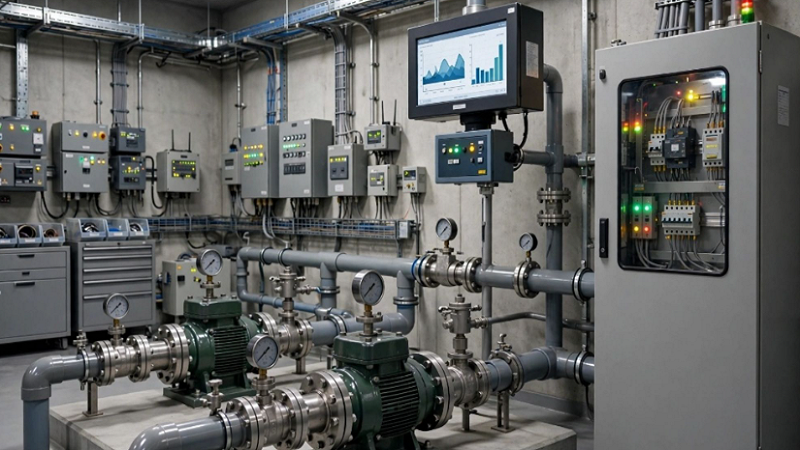
Pump station services are essential to keep wastewater and sewage pumping systems operating safely and efficiently. Regular pump station servicing can help identify developing faults, reduce unexpected breakdowns and support reliable system performance.
For residential, commercial and industrial sites, professional pump station services can include routine maintenance, inspections, monitoring, reporting, refurbishment and emergency support. A planned approach can also help extend equipment life and reduce avoidable operating costs.
What Are Pump Station Services?
Pump station services cover the maintenance, inspection and ongoing management required to keep a pumping system working correctly. Depending on the installation, this can involve pumps, motors, valves, control systems, alarms and other associated equipment.
A professional service programme looks beyond individual components. It considers the pumping station’s overall condition and performance, helping identify problems before they develop into more serious failures.
Why Is Pump Station Servicing Important?
Pumping stations often operate continuously to manage wastewater or surface water. Without suitable maintenance, components can experience wear, blockages or electrical faults that affect performance.
Regular servicing helps identify early warning signs and enables timely remedial work. It can also help reduce downtime, improve operational reliability and support longer-term asset management.
Planned Pump Station Maintenance
Planned maintenance provides a structured way to manage a pumping station’s condition throughout its operational life. The frequency of servicing should reflect factors such as usage, system condition, operating environment and the consequences of a potential failure.
Depending on the site, a maintenance programme may include scheduled inspections, cleaning, performance checks, alarm testing and examination of mechanical and electrical systems. This proactive approach can reduce reliance on reactive repairs.
Pump Station Inspections and Performance Checks
A professional inspection should assess the condition and operation of the wider system, not just whether the pumps are running.
Engineers may examine:
- Pump operation and performance
- Level controls and floats
- Valves and associated pipework
- Electrical and control equipment
- Alarm systems
- Wet well condition
- General signs of wear or deterioration
Performance information can also help identify changes that may indicate an underlying fault.
Intelligent Monitoring and Remote Telemetry
Modern pump station services can incorporate remote monitoring and telemetry to provide greater visibility of system performance. PDAS uses its iMAS approach to combine intelligent monitoring with practical servicing.
Remote telemetry can provide information about pump status, wet well levels, flow rates, power consumption and other operating conditions, depending on the equipment installed. This can help identify potential problems earlier and reduce unnecessary site visits.
Operation, Reporting and Fault Management
Clear reporting is an important part of effective pump station management. Service reports can record findings, completed work and recommended next steps, helping site owners and facilities teams understand the condition of their equipment.
PDAS also provides operational monitoring and fault logging, with performance information used to identify trends and support maintenance decisions. This creates a clearer record for ongoing management, internal reviews and compliance requirements.
Refurbishment and Upgrading Existing Stations
Not every pump station requires complete replacement when equipment becomes worn or performance begins to decline. In suitable circumstances, refurbishment can provide a practical way to improve an existing system and extend its operational life.
PDAS provides refurbishment services alongside its wider pump station installation and maintenance capabilities. This can support upgrades to existing wastewater pumping infrastructure where improvements are required.
Emergency Pump Station Support
Even with planned maintenance, unexpected faults can occur. A pump failure, high-level alarm, blockage or electrical problem may require prompt attention to minimise disruption and reduce the risk of flooding or environmental problems.
PDAS provides 24-hour emergency call-out support for clients with planned maintenance agreements. Combining emergency assistance with preventative servicing can provide a more comprehensive approach to pump station management.
Pump Station Services for Different Sites
Pump station maintenance requirements can vary depending on the application and operating conditions. PDAS provides servicing across the UK for residential developments, commercial premises, industrial sites and local authorities.
Its wider services also support private and adoptable pumping stations, with maintenance plans tailored to individual site requirements. This allows servicing to consider system usage, technical configuration and operational risks rather than applying exactly the same approach to every installation.
Choosing a Pump Station Services Provider
When selecting a provider, consider engineering experience, maintenance planning, monitoring capabilities, reporting, and emergency support. A suitable service programme should focus on preventative maintenance rather than waiting for equipment to fail.
PDAS Group provides pump station design, installation, refurbishment, servicing, monitoring and maintenance through its specialist teams. Its proactive approach focuses on managing the full life of the pumping system, aiming to maintain reliability, reduce downtime, and control long-term costs.
Regular pump station services can therefore play an important role in protecting wastewater and surface water infrastructure. Through planned servicing, condition monitoring, accurate reporting, and timely intervention, operators can address potential problems before they become major operational issues. See More